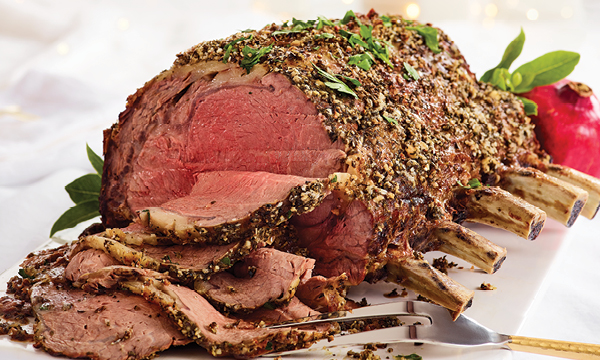
Pepper-Crusted Prime Rib Roast
A Celebration of Bold Flavor, Tradition, and Culinary Craft
Pepper-Crusted Prime Rib Roast is one of the most iconic and luxurious dishes in Western cuisine. It is a meal associated with holidays, family gatherings, and special occasions—a centerpiece that commands attention and respect at the table. Known for its rich marbling, tender texture, and deeply savory flavor, prime rib becomes even more extraordinary when coated in a robust crust of cracked black pepper and seasonings.
This dish represents the intersection of simplicity and sophistication. With only a handful of ingredients—chief among them beef and pepper—it delivers an unforgettable sensory experience. The exterior forms a dark, aromatic crust, while the interior remains juicy, pink, and buttery soft. Pepper-Crusted Prime Rib Roast is not just a recipe; it is a statement of culinary confidence and a symbol of hospitality.
In this article, we will explore Pepper-Crusted Prime Rib Roast in depth: its origins, the science behind the crust, the importance of ingredients, preparation philosophy, flavor profile, cultural significance, nutritional value, variations, and its place in modern dining. By the end, you will understand why this dish has remained a timeless classic and why it continues to grace tables during life’s most meaningful celebrations.
Ingredients
For the Roast:
1 prime rib roast (bone-in or boneless, about 3–5 kg / 6–10 lb)
2–3 tablespoons olive oil or softened butter
3–4 tablespoons freshly cracked black pepper
2 tablespoons kosher salt
2 teaspoons garlic powder or 4 cloves fresh garlic, minced
1 teaspoon onion powder (optional)
1 teaspoon dried thyme or rosemary (optional)
Optional Aromatics:
2 onions, halved
3 carrots, chopped
2 celery stalks, chopped
Fresh rosemary and thyme sprigs
For Serving (Optional):
Horseradish sauce
Beef gravy or au jus
Dijon mustard
These ingredients create a bold, savory crust that enhances the natural richness of the beef while allowing the meat’s flavor to remain the star of the dish.
Understanding Prime Rib
Prime rib comes from the rib section of the cow, an area prized for its marbling and tenderness. The fat within the meat melts during cooking, keeping the roast moist and flavorful. This cut is naturally luxurious, and its flavor does not require heavy marinades or complex sauces.
The name “prime rib” does not necessarily mean it is USDA Prime grade, although that is often the preferred choice. The key is selecting a well-marbled roast with consistent thickness for even cooking.
Bone-in prime rib is often chosen for special occasions because the bones add flavor and help regulate heat. Boneless prime rib is easier to carve and more convenient for serving. Both versions work beautifully with a pepper crust.
The Role of Black Pepper
Black pepper is more than a seasoning in this dish—it is the defining feature. When freshly cracked and applied generously, pepper forms a crust that becomes aromatic and slightly spicy when roasted. Heat transforms pepper’s sharpness into a warm, complex flavor that complements beef perfectly.
Unlike marinades that penetrate the meat, the pepper crust stays mostly on the surface, creating contrast between the bold exterior and the tender interior. This contrast is what makes Pepper-Crusted Prime Rib Roast so appealing.
Pepper also stimulates the appetite, enhancing the overall dining experience. Its aroma alone can fill a kitchen with anticipation.
The Philosophy of Simplicity
Pepper-Crusted Prime Rib Roast follows a philosophy of restraint. Instead of masking the beef with sauces, it highlights the meat’s natural qualities. Salt draws out moisture and enhances flavor, pepper provides heat and aroma, and fat carries these flavors into every bite.
This dish teaches an important culinary lesson: when ingredients are high quality, less is more. The roast itself is the centerpiece; seasoning simply frames it.
Preparation Philosophy
Preparing prime rib requires patience and respect for the ingredient. The process begins long before the roast enters the oven. Allowing the meat to come to room temperature ensures even cooking. Seasoning ahead of time helps flavors penetrate slightly and draws out moisture that later reabsorbs, improving texture.
The pepper and salt mixture is rubbed generously over the surface, forming a thick coating. Oil or butter helps the seasoning adhere and promotes browning.
Roasting at a controlled temperature allows the exterior to form a crust while the interior cooks gently. Resting the roast after cooking is essential, allowing juices to redistribute.
The Cooking Process (Conceptual)
The roast is brought to room temperature.
It is coated with oil or butter and seasoned with salt and cracked pepper.
It is placed on a rack with aromatics underneath.
It is roasted until the desired internal temperature is reached.
It is rested before carving.
This simple sequence transforms raw beef into a dramatic and flavorful centerpiece.
Flavor Profile
Pepper-Crusted Prime Rib Roast offers a complex but balanced flavor experience:
Savory and beefy from the meat itself
Spicy and aromatic from black pepper
Rich and buttery from the natural fat
Herbaceous if herbs are added
The crust provides boldness, while the interior offers tenderness and subtle sweetness from slow-cooked beef fat.
Cultural and Social Significance
Prime rib is deeply associated with celebration. In many Western cultures, it is served at Christmas, New Year’s Eve, weddings, and formal dinners. It symbolizes generosity and abundance.
Historically, large roasts were reserved for feasts because meat was expensive and required time and labor to prepare. Serving prime rib today continues that tradition of marking important moments with exceptional food.
Pepper-crusted versions reflect a modern preference for bolder flavors while maintaining classic techniques.
Variations
1. Herb and Pepper Crust
Add chopped rosemary, thyme, and parsley to the pepper mixture for an aromatic crust.
2. Garlic Pepper Prime Rib
Increase garlic for a deeper savory note.
3. Spicy Pepper Blend
Use mixed peppercorns or add chili flakes for extra heat.
4. Mustard-Coated Version
Spread Dijon mustard under the pepper crust for tanginess.
5. Smoked Prime Rib
Prepare the roast in a smoker for a smoky twist.
Each variation keeps the core idea intact while adding personal style.
Nutritional Value
Prime rib is rich and calorie-dense but also nutritionally significant.
Beef provides:
High-quality protein
Iron
Zinc
Vitamin B12
Pepper provides:
Antioxidants
Digestive stimulation
Because of its richness, prime rib is often served in moderate portions, making it a dish of indulgence rather than everyday consumption.
Emotional and Sensory Experience
The experience of Pepper-Crusted Prime Rib Roast is multi-sensory. The aroma of roasting beef and pepper fills the room, creating anticipation. The sound of carving, the visual of pink slices with dark crust, and the first bite all contribute to its emotional impact.
It is a dish that brings people together, often served family-style and shared at the table. It evokes warmth, tradition, and celebration.
Serving Suggestions
Pepper-Crusted Prime Rib Roast pairs beautifully with:
Roasted potatoes
Mashed potatoes
Yorkshire pudding
Steamed green beans
Creamed spinach
Simple salads
Condiments like horseradish sauce and au jus complement the richness and add contrast.
Common Mistakes to Avoid
Cooking straight from the refrigerator
Under-seasoning
Overcooking
Skipping the resting period
Using pre-ground pepper instead of freshly cracked
Avoiding these mistakes preserves texture and flavor.
Prime Rib in Modern Cuisine
Modern chefs reinterpret prime rib with new techniques such as sous-vide, reverse searing, and smoking. Yet the pepper-crusted version remains a favorite because of its simplicity and visual appeal.
It fits into contemporary dining trends that value bold flavor and minimal processing. The dish feels luxurious without requiring complex sauces or exotic ingredients.
Sustainability and Mindful Eating
Because prime rib is a large cut, it encourages mindful consumption. It is often shared and savored rather than eaten quickly. Choosing responsibly sourced beef supports ethical farming practices and environmental awareness.
Serving prime rib less frequently but with intention aligns with modern ideas of quality over quantity.
The Philosophy Behind Pepper-Crusted Prime Rib Roast
This dish reflects a philosophy of honoring ingredients. Beef is treated as something precious, seasoned simply, and cooked carefully. Pepper is not merely an afterthought but a defining feature that enhances and contrasts with the meat.
It also represents patience: slow roasting, resting, and carving with care. The result is food that feels meaningful rather than rushed.
Why It Endures
Pepper-Crusted Prime Rib Roast endures because it:
Is visually impressive
Tastes rich and satisfying
Represents celebration
Is adaptable
Honors tradition
Few dishes combine luxury and simplicity so effectively.
Conclusion
Pepper-Crusted Prime Rib Roast stands as one of the great icons of celebratory cooking. It transforms a magnificent cut of beef into a dish that is both bold and refined. The pepper crust provides warmth and intensity, while the meat inside remains tender, juicy, and deeply flavorful.
Through simple ingredients and thoughtful preparation, this dish demonstrates the power of restraint and balance. It honors the beef rather than disguising it, allowing natural flavor to shine through layers of seasoning and heat.
Across generations and cultures, prime rib has symbolized abundance, hospitality, and joy. The pepper-crusted version adds a modern edge to this tradition, making it relevant to today’s taste for bold, aromatic food.
Whether served at a holiday table or a formal dinner, Pepper-Crusted Prime Rib Roast remains a dish that commands respect and admiration. It is not merely food—it is an experience, a ritual, and a celebration of culinary craft. Through its aroma, flavor, and presence, it continues to bring people together, proving that great cooking is not about complexity, but about understanding and elevating what is already extraordinary.


0 commentaires:
Enregistrer un commentaire