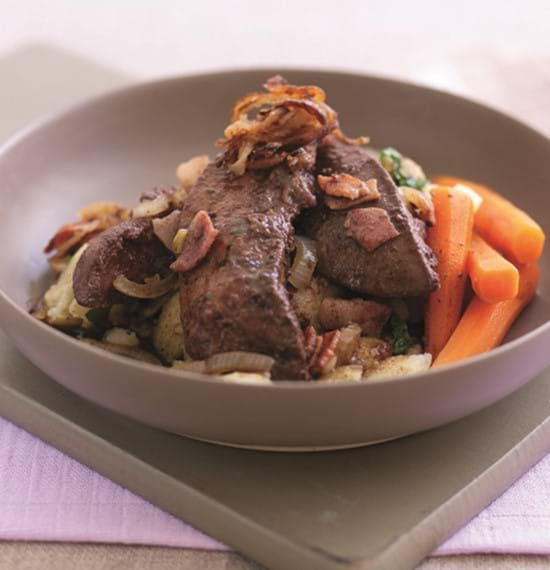
Fried Liver with Onions
A Traditional Dish of Bold Flavor, Nutrition, and Cultural Heritage
Few dishes inspire such strong opinions as fried liver with onions. For some, it is a beloved comfort food associated with childhood meals, family kitchens, and traditional cooking. For others, it is a challenging dish with a powerful aroma and a taste that requires an adventurous palate. Yet across cultures and generations, fried liver with onions has remained a classic recipe, valued not only for its flavor but also for its impressive nutritional benefits.
This dish represents a time when people cooked with respect for the whole animal and made use of every part. Liver, once considered a humble ingredient, was prized for its richness and health value. Combined with onions, which add sweetness and balance, fried liver becomes a dish that is deeply savory, slightly sweet, and intensely satisfying.
In this article, we will explore fried liver with onions in depth: its history, the importance of each ingredient, the science behind cooking liver, its nutritional value, its cultural role, common mistakes, and why it continues to exist in modern kitchens. A complete ingredient list is included, along with an explanation of how each component contributes to the final dish.
Ingredients (Les Ingredients)
Main Ingredients:
500 g (1 lb) beef liver, calf liver, or lamb liver, sliced
2 large onions, thinly sliced
2 tablespoons all-purpose flour
1 teaspoon salt
½ teaspoon black pepper
½ teaspoon paprika (optional)
½ teaspoon garlic powder (optional)
2–3 tablespoons vegetable oil or butter
Optional Additions:
1 teaspoon vinegar or lemon juice
½ teaspoon dried thyme or oregano
Fresh parsley for garnish
1 clove garlic, minced
These simple ingredients form the basis of traditional fried liver with onions. They are inexpensive, widely available, and powerful in flavor when prepared correctly.
What Is Fried Liver with Onions?
Fried liver with onions is a pan-cooked dish made by lightly coating liver slices in seasoned flour and frying them until just cooked, then topping or serving them with sautéed onions. The onions are usually cooked slowly until soft and golden, providing sweetness that contrasts with the strong, mineral-rich flavor of liver.
The dish is known for:
Its deep, savory taste
Its tender yet firm texture
Its balance between bitterness and sweetness
Its strong aroma
It is typically served with mashed potatoes, bread, or rice and is often considered a hearty, nourishing meal.
Historical Background
Cooking liver with onions is not tied to one single culture. Variations appear in:
European cuisines (especially British, French, and German)
Middle Eastern cooking
North African households
Traditional American home cooking
Historically, liver was valued because it was:
Easy to cook
Highly nutritious
Affordable
Available whenever animals were slaughtered
In times when food waste was unacceptable, organs were considered as important as muscle meat. Liver became a symbol of nourishment and practicality. Onions were added because they were cheap, stored well, and improved flavor dramatically.
This dish reflects an era when cooking was about survival as much as enjoyment.
The Role of Each Ingredient
Liver
Liver is the star of the dish. It has a dense texture and a strong flavor due to its high iron and vitamin content. Different animals produce different tastes:
Beef liver: Strong, earthy flavor
Calf liver: Milder and more tender
Lamb liver: Rich and slightly sweet
Liver cooks quickly and becomes tough if overcooked, which makes technique very important.
Onions
Onions provide sweetness and aroma. When fried slowly, their natural sugars caramelize, creating a golden color and soft texture. They balance the bitterness and intensity of liver.
Flour
Flour creates a thin crust on the liver, helping it brown and improving texture. It also absorbs some moisture, preventing sogginess.
Salt and Pepper
Salt enhances the natural umami flavor of liver, while pepper adds mild heat. These simple seasonings are usually enough for traditional recipes.
Oil or Butter
Fat is essential for frying. Butter adds richness, while oil prevents burning. Many cooks use a mixture of both.
The Science of Cooking Liver
Liver is made up of delicate proteins and very little fat. When heated:
Its proteins coagulate quickly
Its moisture escapes
Its texture changes rapidly
If cooked too long, liver becomes:
Dry
Grainy
Bitter
The key is short cooking time over medium heat. The goal is to cook liver just until it is no longer raw inside but still tender.
Onions, on the other hand, benefit from long cooking. This contrast in cooking time is why onions are usually prepared first or separately.
Why Onions and Liver Work Together
The pairing of liver and onions is not accidental. It is a perfect example of flavor balance:
Liver = strong, metallic, savory
Onions = sweet, mild, aromatic
Together they create harmony. The sweetness of onions softens the liver’s sharpness, while the liver gives depth to the onions.
This balance makes the dish more approachable, even for people who are unsure about eating liver.
Nutritional Value
Fried liver with onions is one of the most nutrient-dense dishes in traditional cuisine.
Liver is rich in:
Iron
Vitamin A
Vitamin B12
Folate
Protein
Onions provide:
Antioxidants
Fiber
Vitamin C
This makes the dish particularly valuable for people with iron deficiency or those needing high-protein meals.
In many cultures, liver was recommended for:
Pregnant women
Children
People recovering from illness
It was considered “medicine food” as much as regular food.
Cultural Importance
In many households, fried liver with onions is associated with:
Home cooking
Family meals
Older generations
Traditional values
It often appears in:
Rural kitchens
Traditional restaurants
Holiday meals in some cultures
Because of its strong smell and flavor, it is also associated with strong memories. People either remember loving it or hating it.
Texture and Taste
A well-cooked liver dish should be:
Tender but not mushy
Juicy inside
Lightly crisp outside
The onions should be:
Soft
Sweet
Lightly golden
The combined taste should be:
Savory
Slightly sweet
Rich
Deep
Common Mistakes
Overcooking the liver
This makes it tough and bitter.Not soaking the liver (optional step)
Some cooks soak liver in milk or water to reduce bitterness.Cooking onions too fast
Leads to burnt or raw onion flavor.Using too much flour
Creates a heavy coating instead of a light crust.Over-seasoning
Strong spices can overpower the natural taste.
Variations of Fried Liver with Onions
Milk-Soaked Liver
Liver is soaked in milk to soften flavor.
Spiced Liver
Paprika, cumin, or chili added for warmth.
Garlic Liver
Garlic is added to onions for extra aroma.
Vinegar-Finished Liver
A splash of vinegar or lemon juice adds brightness.
Mediterranean Style
Includes herbs like thyme and parsley.
Each variation keeps the core idea but adds regional character.
Emotional and Psychological Aspects
Fried liver with onions is often linked to childhood. Many people remember being forced to eat it or learning to love it over time. These strong memories shape opinions.
Because liver is unusual compared to muscle meat, eating it can feel symbolic:
Of tradition
Of discipline
Of cultural identity
It is not “easy food”; it is food with meaning.
The Dish in Modern Times
In modern kitchens, fried liver with onions is less common, but it still exists in:
Traditional restaurants
Home kitchens
Nutritional diets
Some chefs reintroduce it as a gourmet dish, using:
Calf liver
Caramelized onions
Fancy sauces
This shows that even humble foods can return in new forms.
Health Considerations
While liver is healthy, it should be eaten in moderation because:
It is very high in vitamin A
It contains cholesterol
Balanced consumption is recommended.
The Philosophy Behind the Dish
Fried liver with onions reflects a philosophy of:
Using the whole animal
Respecting ingredients
Valuing nutrition
Accepting strong flavors
It teaches that not all food must be mild or sweet. Some food challenges the palate and builds appreciation.
Why Some People Dislike It
People may dislike fried liver with onions because:
The smell is strong
The texture is unfamiliar
The flavor is intense
Modern diets often favor mild, sweet foods, so liver can feel too powerful.
Why Others Love It
Those who love it appreciate:
Its richness
Its tradition
Its health value
Its honesty as food
It is not hidden behind sauces or sugar. It tastes like what it is.
The Importance of Ingredients
Each ingredient plays a role:
Liver provides substance
Onions provide balance
Flour provides structure
Fat provides richness
Salt provides clarity
Removing one weakens the dish.
Modern Adaptations
Today, some cooks:
Grill liver instead of frying
Add sauces like mustard or gravy
Serve it with salads instead of potatoes
Yet the basic pairing of liver and onions remains unchanged.
Conclusion
Fried liver with onions is a dish that stands at the crossroads of tradition, nutrition, and bold flavor. It reflects an older style of cooking where food was valued for its nourishment as much as for its taste. With simple ingredients and careful technique, it becomes a deeply satisfying meal.
Its strong flavor and aroma may divide opinion, but that is part of its identity. It is not meant to be neutral or bland. It is meant to be honest, rich, and powerful.
In a world where many dishes are designed to be sweet and easy, fried liver with onions reminds us that food can also be challenging and meaningful. It carries cultural memory, nutritional strength, and culinary history in every bite. Whether loved or disliked, it remains one of the most enduring and symbolic dishes of traditional cooking.


0 commentaires:
Enregistrer un commentaire