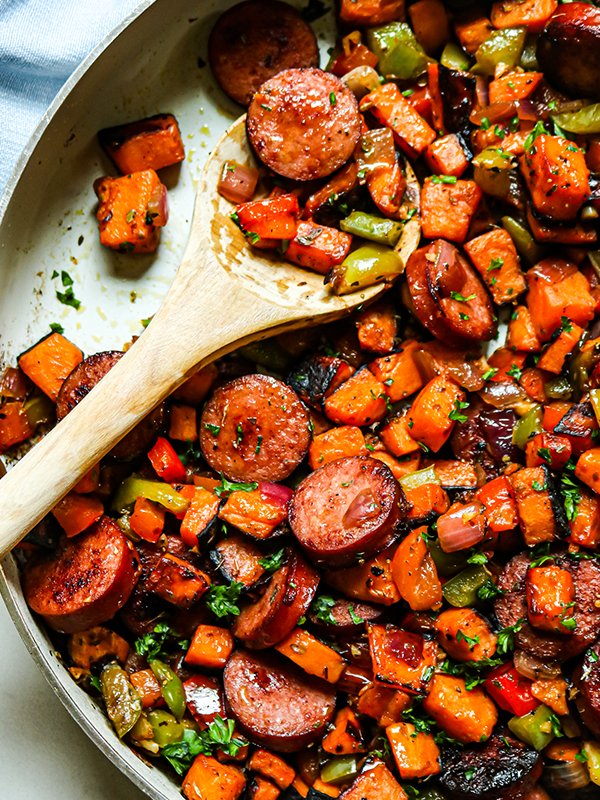
Fried Onion, Sausage, and Potatoes
A Rustic Classic of Simplicity, Comfort, and Bold Flavor
Fried onion, sausage, and potatoes is one of those dishes that appears in many cultures under different names, yet always carries the same spirit: hearty, affordable, and deeply satisfying. It is built from three everyday ingredients—onions, sausage, and potatoes—transformed by heat and patience into a meal that feels both humble and indulgent. Whether served for breakfast, lunch, or dinner, this dish has a timeless appeal that crosses borders and generations.
At its heart, this recipe is about balance. Potatoes provide substance and softness, sausage brings savory richness and seasoning, and onions contribute sweetness and aroma. When fried together in a pan, these ingredients create a harmony of textures and flavors: crispy edges, tender centers, smoky notes, and caramelized sweetness.
This article explores fried onion, sausage, and potatoes in depth: its ingredients, historical background, preparation philosophy, flavor profile, cultural variations, nutritional aspects, emotional significance, and its enduring role in home cooking. By the end, you will see why this simple skillet dish remains a favorite in kitchens around the world.
Ingredients (Les Ingrédients)
Main Ingredients:
1 kg (2.2 lb) potatoes (Yukon Gold, red potatoes, or russet)
400–500 g (14–18 oz) sausage (smoked sausage, beef sausage, chicken sausage, or pork sausage)
2 large onions, thinly sliced
3 tablespoons vegetable oil, olive oil, or butter
Salt, to taste
Black pepper, to taste
Optional Seasonings:
1 teaspoon paprika or smoked paprika
½ teaspoon garlic powder or 2 cloves fresh garlic, minced
½ teaspoon dried thyme or rosemary
½ teaspoon chili flakes (optional)
Optional Additions:
1 bell pepper, sliced
1 teaspoon mustard (for serving)
Fresh parsley, chopped
Fried or poached eggs (for topping)
These ingredients form the foundation of a classic fried onion, sausage, and potatoes dish, but the recipe can be adapted endlessly depending on taste and tradition.
The Historical Roots of the Dish
The combination of sausage and potatoes has deep historical roots in Europe and beyond. Potatoes, introduced to Europe in the 16th century from the Americas, quickly became a staple crop due to their adaptability and nutritional value. Sausage, made from preserved meat and spices, had long been a practical way to store and flavor protein.
In Germany, dishes like bratwurst with fried potatoes and onions became common. In Eastern Europe, similar meals appeared using kielbasa or other smoked sausages. In the United States, especially in rural and working-class households, sausage, onion, and potato skillets became a standard breakfast or supper because they were filling, affordable, and easy to prepare.
This dish belongs to a broader family of “one-pan meals,” created out of necessity and practicality. Farmers, laborers, and families relied on ingredients that were easy to store and cook in large quantities. Over time, what began as survival food became comfort food.
Potatoes: The Foundation
Potatoes are the backbone of the dish. They provide bulk, energy, and texture. When fried properly, potatoes develop a golden crust on the outside while remaining fluffy inside.
Different types of potatoes create different results:
Waxy potatoes (red potatoes, Yukon Gold): hold their shape and become creamy inside.
Starchy potatoes (russet): crisp more easily but can break down if overcooked.
Potatoes absorb flavors from fat and sausage drippings, making them especially delicious in this recipe. They act as a neutral base that highlights the savory and sweet notes of the other ingredients.
Sausage: The Source of Savory Depth
Sausage is the main source of seasoning in this dish. It contains salt, spices, and fat, all of which flavor the potatoes and onions as they cook.
Different sausages create different personalities:
Smoked sausage: adds smoky, robust flavor.
Fresh pork sausage: creates rich, meaty depth.
Chicken or turkey sausage: lighter but still flavorful.
Spicy sausage: adds heat and intensity.
Because sausage is already seasoned, it reduces the need for complex spice blends. It is both protein and seasoning in one ingredient.
Onions: The Sweet Counterbalance
Onions provide sweetness and aroma. When fried slowly, onions caramelize, turning golden and soft. This natural sweetness balances the saltiness of the sausage and the earthiness of the potatoes.
Onions also add moisture and fragrance. Their transformation from sharp and pungent to sweet and mellow is one of the most important elements of the dish’s flavor development.
Preparation Philosophy
Fried onion, sausage, and potatoes is about patience and layering. Each ingredient is cooked to bring out its best qualities before being combined into one cohesive dish.
Key principles include:
Cooking potatoes long enough to crisp
Browning sausage to release fat and flavor
Allowing onions time to caramelize
Not overcrowding the pan
The philosophy is simple: let the ingredients do the work. With enough heat and time, they transform themselves.
Conceptual Cooking Process
Potatoes are sliced or diced and partially cooked or fried until golden.
Sausage is browned separately to release fat and flavor.
Onions are sautéed until soft and caramelized.
Everything is combined and seasoned.
The mixture is fried together briefly to unify flavors.
This method ensures that each component reaches its ideal texture.
Flavor Profile
This dish offers a layered flavor experience:
Savory and salty from sausage
Sweet and aromatic from onions
Mild and earthy from potatoes
Rich and satisfying from cooking fat
The contrast between crispy potatoes and tender sausage, along with soft onions, creates a pleasing mouthfeel. Spices such as paprika or pepper add warmth without overpowering the base flavors.
Cultural Variations
German-Inspired Version
Uses bratwurst or smoked sausage with onions and potatoes, sometimes with mustard.
Eastern European Style
Includes kielbasa and may add cabbage or garlic.
American Breakfast Skillet
Often topped with eggs and served with toast.
Mediterranean Twist
Uses olive oil, herbs like rosemary and thyme, and sometimes peppers.
Spicy Version
Incorporates chili flakes or hot sausage.
Each culture adapts the same three ingredients to local tastes and traditions.
Nutritional Value
Fried onion, sausage, and potatoes is filling and energy-dense.
Potatoes provide:
Carbohydrates for energy
Potassium
Vitamin C
Sausage provides:
Protein
Fat
B vitamins
Onions provide:
Fiber
Antioxidants
Vitamin C
Because sausage can be high in fat and salt, this dish is best enjoyed in moderation or balanced with vegetables and lighter sides.
Emotional and Comfort Significance
This dish is deeply associated with comfort and home cooking. It is the kind of meal people remember from childhood kitchens or family breakfasts. The smell of onions frying and sausage browning creates an atmosphere of warmth and anticipation.
It is also a communal dish, often made in large skillets and served to many people. Its simplicity makes it accessible, while its flavor makes it memorable.
Serving Suggestions
Fried onion, sausage, and potatoes can be served:
On its own as a main dish
With eggs for breakfast
With bread or rolls
With pickles or sauerkraut
With a simple green salad
These sides add freshness and balance to the richness of the dish.
Common Mistakes to Avoid
Cooking potatoes too fast and burning them
Using too much oil
Overcrowding the pan
Not seasoning at the end
Skipping onion caramelization
Avoiding these mistakes keeps the dish balanced and flavorful.
Modern Adaptations
Modern cooks adapt this dish by:
Using air fryers
Adding vegetables like zucchini or spinach
Using plant-based sausages
Reducing oil for a lighter version
These adaptations show how flexible the recipe is while preserving its core identity.
Sustainability and Economy
This dish uses inexpensive, widely available ingredients. It also works well with leftovers: cooked potatoes, leftover sausage, or extra onions can all be repurposed.
It represents economical cooking that wastes little and feeds many.
The Philosophy Behind Fried Onion, Sausage, and Potatoes
This dish reflects a philosophy of practicality and satisfaction. It does not rely on luxury ingredients or complex techniques. Instead, it depends on timing, heat, and understanding how ingredients behave in a pan.
It shows that good food does not require complication—only respect for the process and attention to detail.
Why It Endures
This dish endures because:
It is affordable
It is filling
It is adaptable
It is comforting
It is quick to prepare
Few meals offer such a strong balance of ease and flavor.
Conclusion
Fried onion, sausage, and potatoes stands as a symbol of timeless home cooking. Built from three basic ingredients, it transforms simplicity into satisfaction through heat and patience. The crispy potatoes, savory sausage, and sweet onions come together in a harmony that feels both rustic and indulgent.
Across cultures, this dish has taken many forms, yet its essence remains unchanged: nourishment, comfort, and practicality. It speaks to traditions of using what is available and making it delicious. It carries memories of family meals, early mornings, and shared tables.
In a world filled with complex recipes and trendy foods, fried onion, sausage, and potatoes remains relevant because it delivers something fundamental: honest flavor and lasting satisfaction. It reminds us that cooking is not always about innovation; sometimes it is about honoring what works.
This dish proves that with just a pan, a few ingredients, and a little time, food can become more than fuel—it can become comfort, memory, and tradition.


0 commentaires:
Enregistrer un commentaire